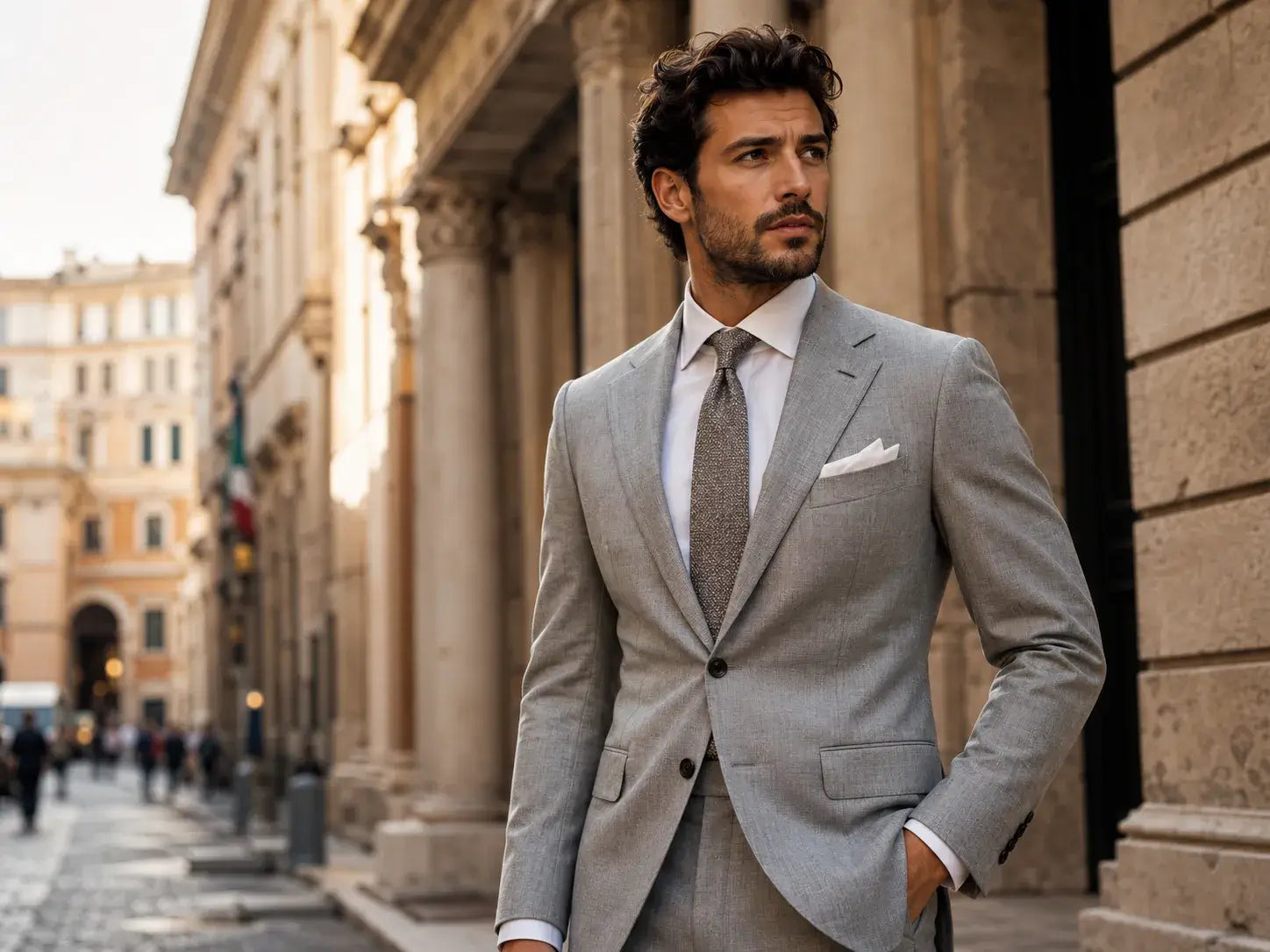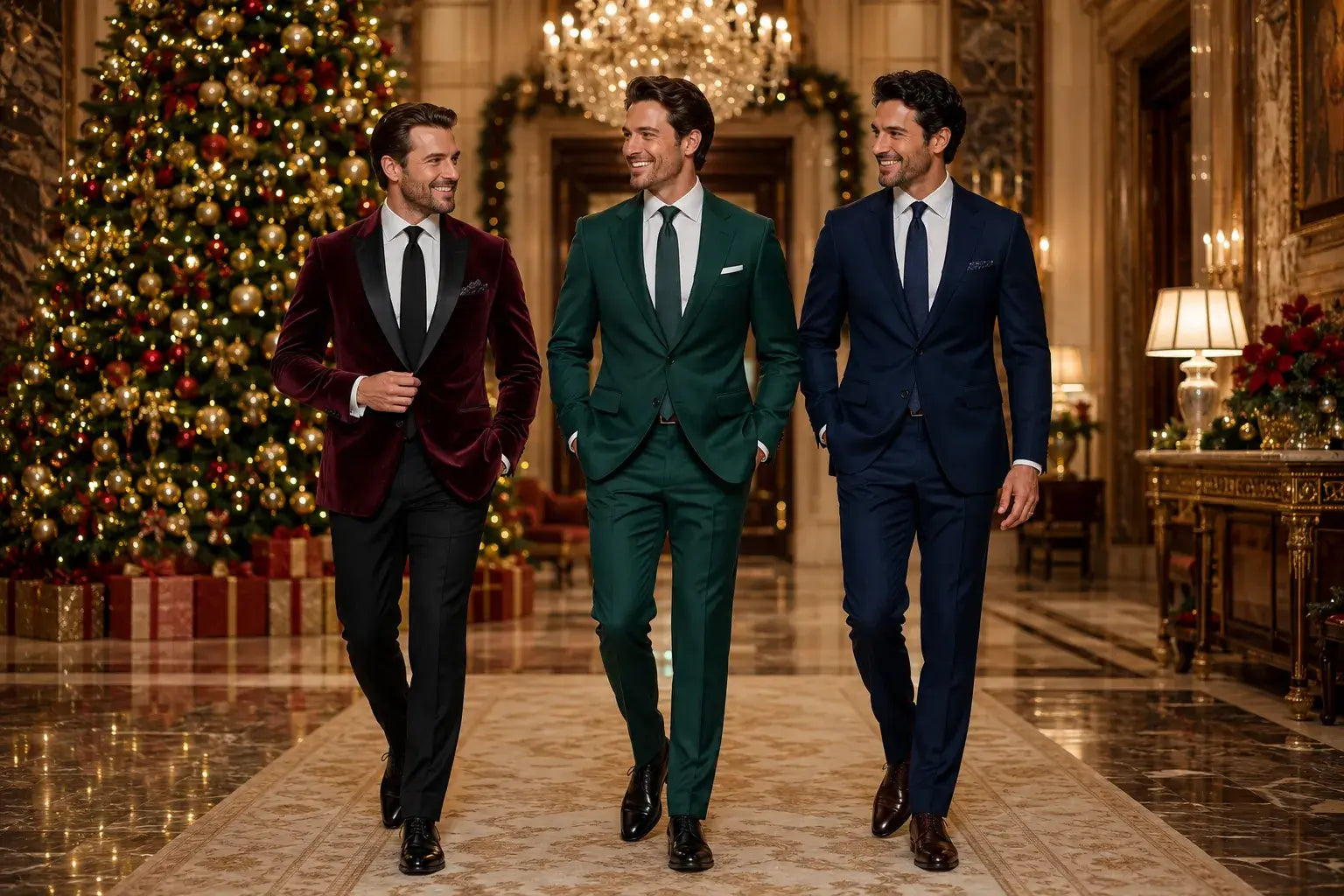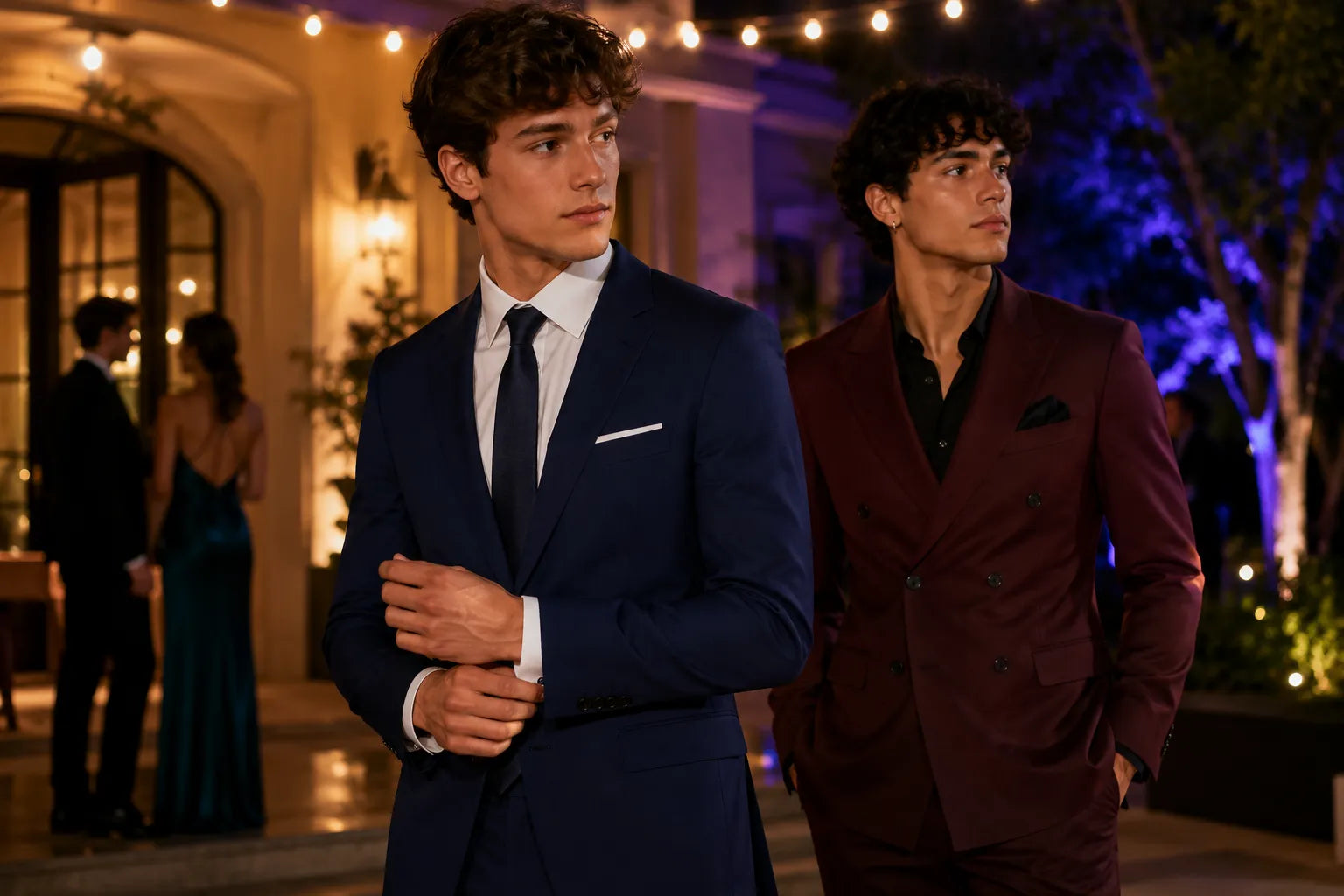
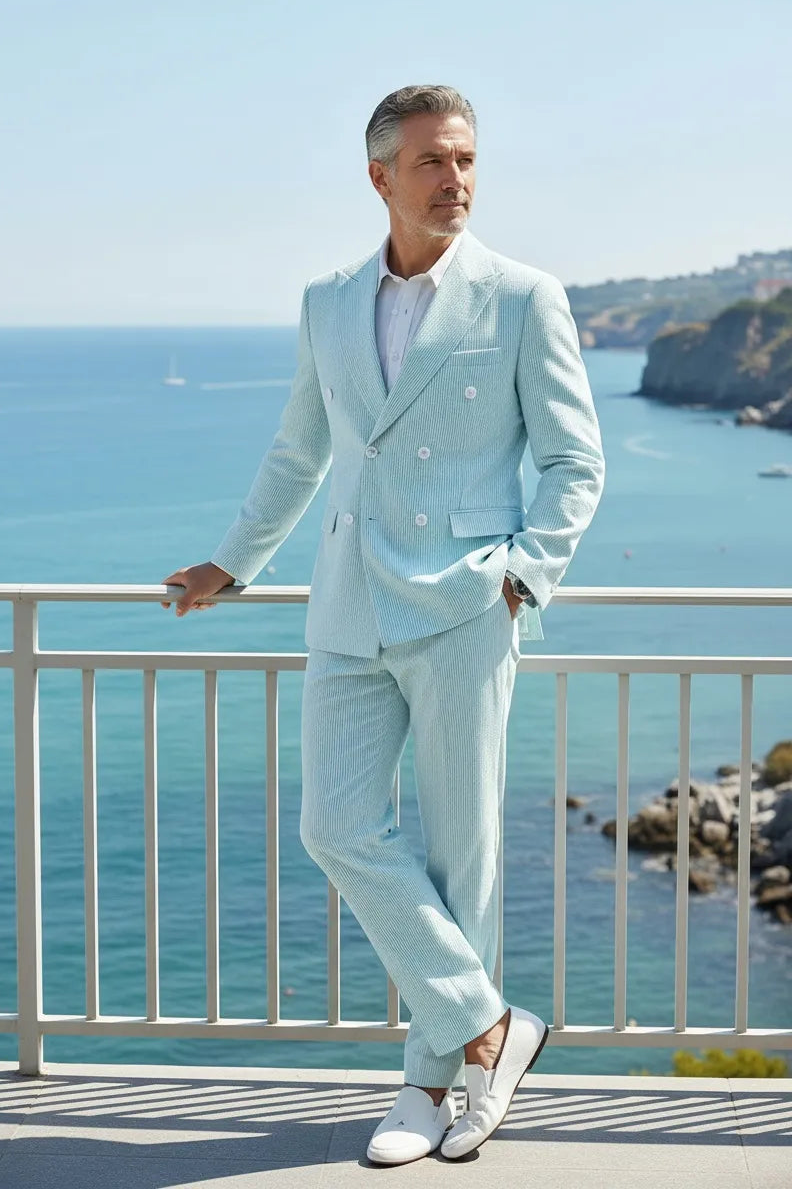

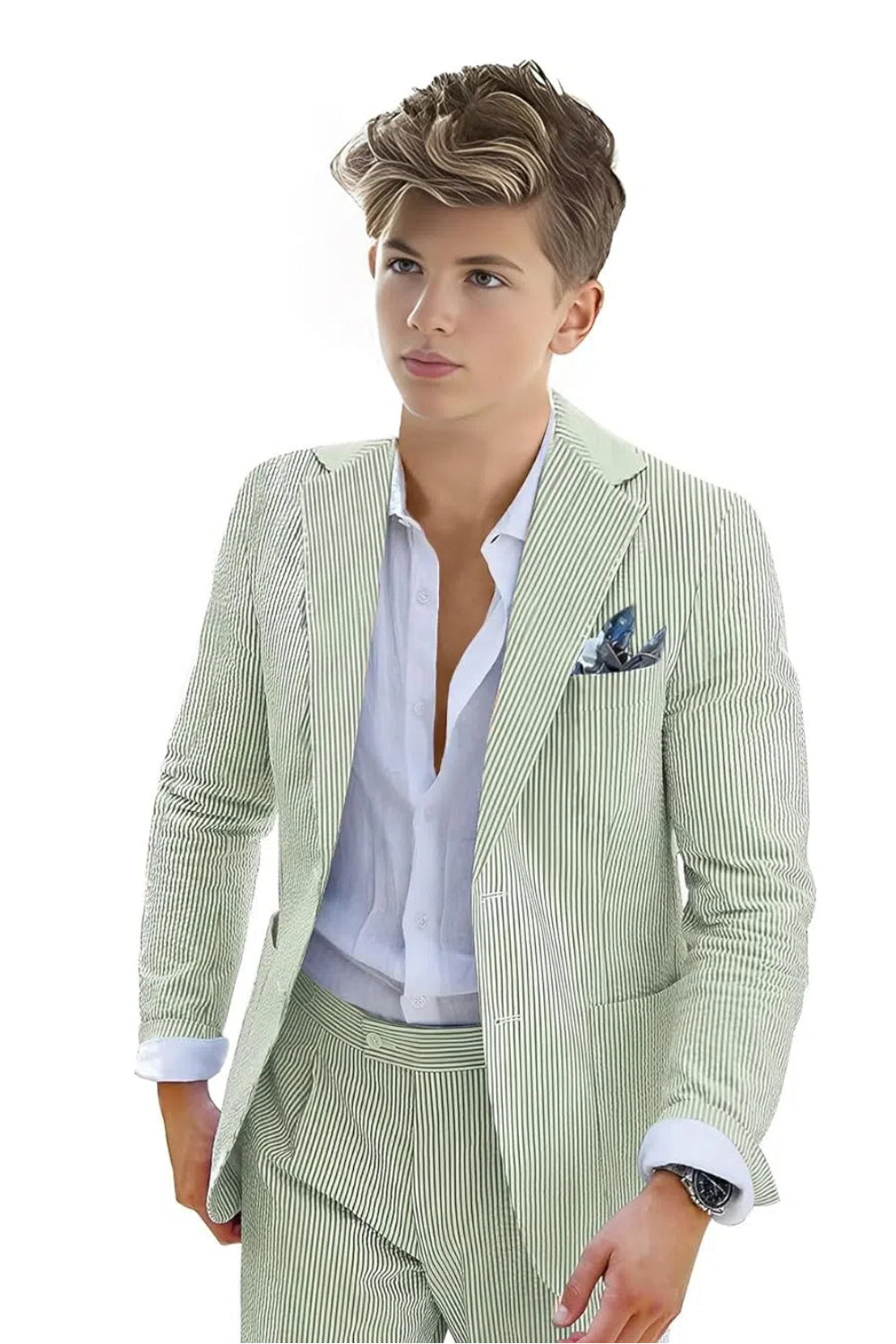
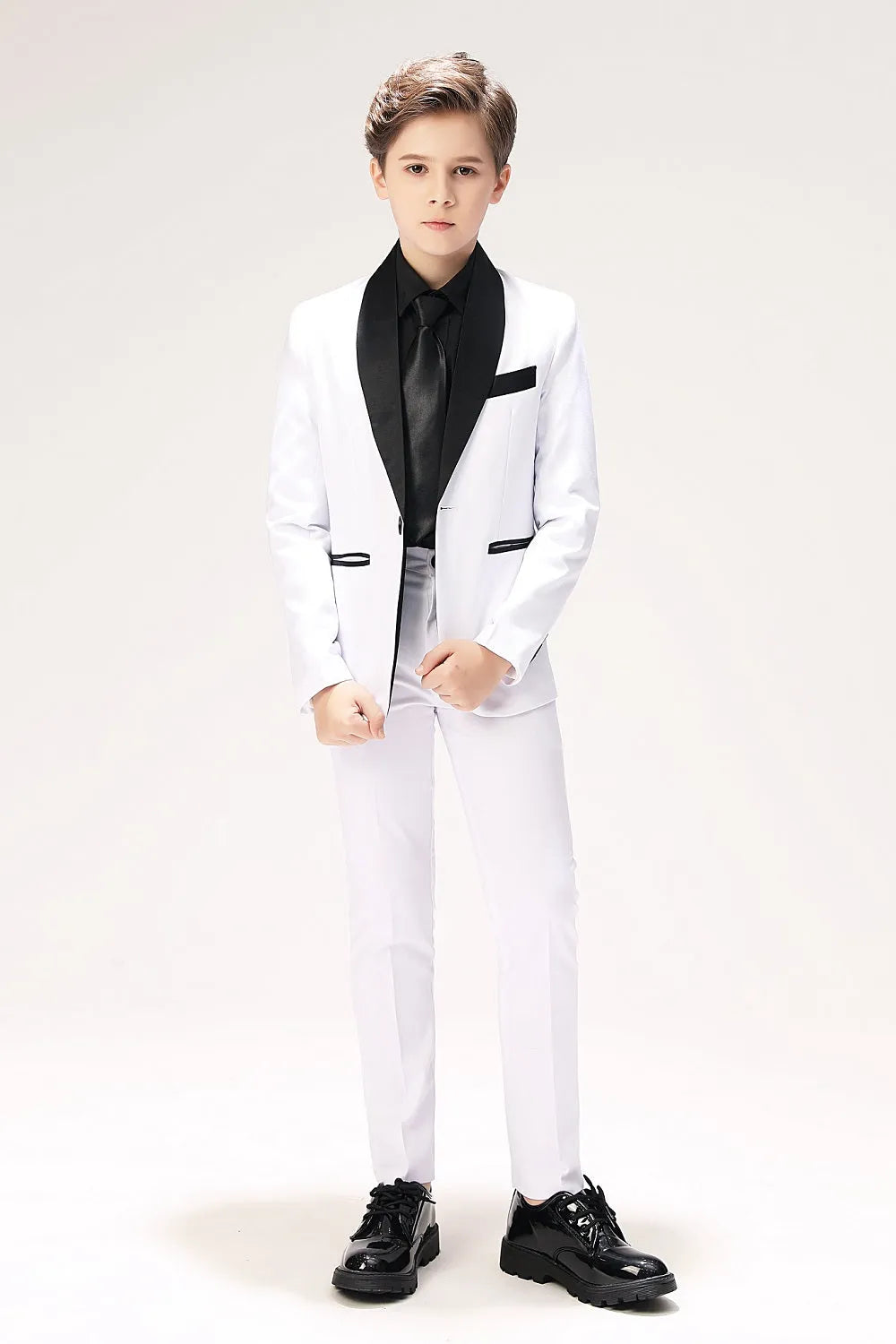

An Italian suit is the right choice when you want tailoring that looks sharp without feeling stiff.
It works especially well for summer weddings, cocktail events, stylish business dinners, date nights, travel, homecoming, prom, and smart casual occasions where a regular office suit can feel too heavy or too plain. If you are still comparing broader options, start with our men's suits collection, then narrow your choice by event, fabric, and formality.
But "Italian suit" needs one important clarification.
Unless a suit is truly made in Italy, the phrase should be understood as a style direction, not a country-of-origin claim. Gentleman's Gazette makes the same point: Italian tailoring is not one single look, because Naples, Milan, and other regional tailoring traditions can read differently. That is why I treat an Italian suit here as a style language—soft structure, clean shape, lightness, and relaxed elegance—not simply a label.
The goal is not to look overdressed. The goal is to look polished, modern, and comfortable in the room you are actually entering.
This guide explains what makes a suit feel Italian, when to wear one, when to skip it, and how to choose the right fabric, color, fit, shirt, shoes, and accessories.
What You'll Learn
By the end of this guide, you will know whether an Italian-style suit is right for your event.
You will learn what details make a suit read Italian, why shoulder shape matters more than most men think, which fabrics work best in warm weather, and why slim should never mean tight.
You will also know when an Italian-style suit is better than a classic business suit, and when a men's tuxedo or darker structured suit is the smarter choice.
Start with the quick answer, then move to the scenario that matches your event.
Quick Answer
Choose an Italian suit when you want a slim, elegant, modern look with softer tailoring and easier movement.
It works best for weddings, summer events, cocktail parties, business dinners, stylish offices, prom, homecoming, and smart casual occasions. For ceremony dressing, compare wedding suits for men; for work-related events, look at business suits; and for school formal occasions, start with prom suits.
Skip it when the dress code is black tie, highly conservative business formal, or a very traditional ceremony. In those cases, choose a tuxedo, a dark structured suit, or a formal three-piece suit instead.
The safest Italian-style suit is navy, charcoal, light gray, beige, olive, or brown, cut close to the body but not tight. Pair it with a crisp shirt, refined leather shoes, and minimal accessories.
The most important rule is simple: an Italian suit should look shaped, not squeezed.
The Italian Suit Fit Test

The easiest way to judge an Italian-style suit is to look at three areas: shoulder, waist, and movement.
First, check the shoulder.
A softer shoulder is one of the clearest signs of Italian-inspired tailoring. Permanent Style describes Neapolitan tailoring through soft construction and shirt-style sleeves, which is why I start with the shoulder and chest before I ever look at how narrow the trousers are.
The shoulder should frame the body naturally. It should not look bulky, stiff, or over-padded. At the same time, it should not collapse or sag.
Second, check the waist.
Italian-style suits often create a cleaner waist than traditional boxier suits. The jacket should follow the torso and give shape, but the front button should not pull into an X. If the button strains, the suit is too tight.
Third, check movement.
Raise your arms slightly. Sit down. Walk a few steps. A good Italian-style suit should move with you. If the jacket lifts too much, the trousers grip the thigh, or the sleeves twist, the suit is not tailored—it is just small.
For the cleanest version of this silhouette, a 2 piece men's suit is usually the easiest place to start. If you want a simple jacket shape that works across weddings, office dinners, and smart casual events, single breasted suits are the most versatile option.
GQ's tailoring experts also put strong emphasis on the shoulder, noting that it affects whether a suit reads formal, casual, sharp, or soft. That is exactly why an Italian-style jacket lives or dies on the shoulder line.
If the shoulder is right, the suit already has a good foundation. If the shoulder is wrong, tailoring can only fix so much.
What Makes A Suit Look Italian?
British vs. Italian vs. American - Suit Fashions & Silhouettes
An Italian-style suit usually has a cleaner, lighter, more body-conscious line than a traditional American business suit.
That does not mean it must be skinny. It means the suit has shape.
A few details create this impression.
The shoulder is often softer. The waist is more defined. The lapel may be slightly more expressive. The trousers are usually tapered. The fabric often feels lighter or more fluid. The overall mood is elegant, but less rigid.
Lapel choice changes the mood quickly. A notch lapel suit keeps the look versatile and easy to wear, while a peak lapel suit makes the same Italian-style shape feel sharper for weddings, prom, homecoming, and evening events.
This is why Italian-style suits work so well for modern events. They feel dressed up, but not old-fashioned.
For men who want a more distinctive interpretation of this look, Milano Original Suits offer exclusive designs with clean tailoring, modern proportions, and a sharper Italian-inspired point of view.
The mistake is thinking the whole look comes from narrow trousers. It does not. If the shoulder is wrong, the chest pulls, and the fabric looks cheap, a slim trouser cannot save the outfit.
A true Italian-style look depends on balance: soft structure, clean fit, refined fabric, and confident restraint.
When An Italian Suit Works Best
An Italian suit works best when the event allows personality and polish at the same time.
It is strongest in settings where a very formal suit feels too heavy, but casual clothing feels too weak.
Think summer weddings, garden ceremonies, beach weddings, cocktail parties, rooftop dinners, creative offices, graduation dinners, prom, homecoming, and travel events.
Vogue's summer wedding menswear guide points men toward classic navy suits, light and bright suits, linen, and seersucker for warm-weather weddings, which matches the way an Italian-style suit should feel outdoors: breathable, elegant, and not too stiff.
For outdoor and warm-weather events, the Italian-style suit has a clear advantage. It looks dressed up without making the outfit feel heavy.
For strict formal events, it needs more caution.
When You Should Skip An Italian Suit
Do not wear a relaxed Italian-style suit when the dress code asks for something more formal.
The clearest example is black tie.
The Knot draws a hard line on black-tie attire: for men, black tie means a tuxedo, and even a dark suit is not considered formal enough. That is the moment a relaxed Italian-style suit should step aside and a men's tuxedo becomes the correct choice.
Black-tie optional gives more flexibility. Emily Post explains that men are requested to wear a tuxedo but may choose a dark suit for black-tie optional events. That flexibility does not apply to a strict black-tie invitation.
So the rule is practical.
If the invitation says black tie, wear a tuxedo.
If it says black-tie optional, a dark, sharp, well-tailored suit can work.
If it says cocktail, semi-formal, garden formal, beach formal, or dressy casual, an Italian-style suit becomes much easier to wear.
The more formal the event, the darker and cleaner your suit should be.
The more relaxed the event, the more you can use light fabric, open collars, loafers, soft colors, and textured cloth.
Best Fabrics For An Italian Suit

Fabric decides whether an Italian-style suit feels elegant or uncomfortable.
The safest year-round choice is a lightweight wool blend. It has enough structure for business and weddings, but it can still feel smooth and refined.
For spring and summer, linen blend, cotton blend, seersucker, and lightweight textured fabrics work especially well. A linen suit fits beach, garden, and warm-weather weddings naturally, while a seersucker suit gives the Italian-style look a lighter, more seasonal texture.
Brides' wedding suit fabric guide makes a useful distinction: linen feels airy for summer, but it wrinkles easily. That is why I usually prefer linen blends when the suit needs to last through the ceremony, photos, dinner, and dancing.
Reddit wedding threads show the same concern in real life. Men like linen for warm outdoor weddings, then hesitate because of wrinkles and formality. That is exactly where a linen-blend or lightweight wool suit often becomes the safer Italian-style choice.
For evening parties, holiday dinners, and more dramatic events, velvet suits can create a richer version of the look. Just keep the shirt, shoes, and accessories simple so the fabric does not become costume-like.
The Italian look usually works better in matte or softly textured fabrics than in high-shine cloth.
A navy wool blend, beige linen blend, olive cotton blend, light gray summer suit, or brown textured suit will usually look more expensive than a glossy black one.
Best Colors For An Italian Suit

Color should support the cut, not fight it.
The most versatile Italian-style suit color is navy. It works for weddings, dinners, business events, prom, travel, and smart casual styling.
Charcoal and dark gray are better when the event is more formal.
Light gray, beige, tan, cream, and soft blue are excellent for warm-weather weddings and outdoor ceremonies.
Olive, brown, rust, and chocolate tones feel more individual. They work well for fall weddings, garden events, creative offices, and stylish dinners.
Black is best reserved for evening events, formal parties, or tuxedo-inspired styling. For true black tie, choose a tuxedo instead.
For a first Italian-style suit, choose navy.
For a second one, choose light gray, beige, or olive depending on your climate and lifestyle.
How To Style An Italian Suit

Styling should feel clean, not crowded.
Start with the shirt.
A white dress shirt is the safest choice. It works with every suit color and every event level. Light blue is excellent with navy, gray, and charcoal. Cream or ivory pairs well with beige, tan, olive, and brown.
For relaxed weddings, summer dinners, and smart casual settings, an open-collar shirt can work well. For business and formal ceremonies, use a tie.
Shoes should match the level of the event.
Loafers work beautifully with Italian-style suits because they keep the outfit elegant but relaxed. Oxfords are better for formal events. Derbies sit in the middle. Monk straps add personality without becoming too loud.
Accessories should stay controlled.
A silk tie, knit tie, pocket square, watch, slim belt, or boutonniere can all work. But do not wear all of them loudly at once.
The Italian look is not built by adding more details. It is built by removing the wrong ones.
Scenario 1: Summer Wedding

A summer wedding is one of the best settings for an Italian-style suit.
The weather is warm. The light is softer. The atmosphere is usually more relaxed than a winter ballroom wedding.
Choose a light gray, beige, tan, cream, sage, soft blue, or navy suit in breathable fabric.
If the wedding is outdoors, linen blend, cotton blend, seersucker, or lightweight wool will usually feel more natural than a heavy business suit. For a broader ceremony edit, compare our wedding suits for men; if you are dressing the main party, groom suits and groomsmen suits are better starting points than a general suit collection.
For shoes, brown loafers or brown oxfords usually look better than heavy black shoes. If the ceremony is on grass, sand, or stone, avoid shoes that look too stiff for the setting.
Vogue's wedding suit guidance also points toward lighter suit colors such as light gray and tan linen for tropical or warm-weather weddings, which is exactly where an Italian-style suit feels most natural.
Verdict: Wear an Italian-style suit to a summer wedding when the dress code is elegant but not black tie.
Scenario 2: Business Dinner

For a business dinner, the Italian suit needs to look controlled.
This is not the place for cream linen, loud patterns, or overly relaxed styling.
Choose navy, charcoal, dark gray, or medium gray. The fabric should be smooth, matte, and structured enough to hold its shape.
A white or light blue shirt is safest. Add a tie if the setting is formal. Leave the collar open if the dinner is more relaxed.
Shoes should be polished. Black oxfords, dark brown derbies, or refined loafers all work depending on the suit color.
If the event is closer to a client dinner, presentation, or company function, browse business suits first. For weekday wear, office suits are easier to style repeatedly, while interview suits should stay darker, cleaner, and more conservative.
The key is to keep the Italian shape without making the outfit look too casual.
Verdict: Wear a navy or charcoal Italian-style suit for a business dinner when you want polish without looking rigid.
Scenario 3: Prom Or Homecoming
Prom and homecoming give you more room to use personality.
This is where a sharper lapel, bold color, double-breasted jacket, velvet texture, plaid pattern, or statement suit can work.
But the same rule still applies: one statement at a time.
If the suit is burgundy, keep the shirt simple.
If the lapel is bold, keep the tie clean.
If the pattern is strong, choose classic shoes.
For school formal events, prom suits can handle sharper colors, peak lapels, velvet, and more evening energy. Homecoming usually works better with a clean two-piece suit, so a versatile 2 piece men's suit is often the safer choice if you do not want the outfit to feel too formal.
Italian-style suits work well for younger formal events because they feel sharper than a basic business suit, but less stiff than traditional eveningwear.
Verdict: Wear an Italian-style suit to prom or homecoming when you want a modern formal look with more personality.
Scenario 4: Cocktail Party
A cocktail party is one of the easiest places to wear an Italian-style suit.
The dress code usually wants polish, but it does not require tuxedo-level formality.
A navy, charcoal, brown, olive, black, or patterned suit can work well. For evening, choose darker colors. For daytime or outdoor cocktail events, lighter colors can work.
A white shirt with an open collar is often enough. If the event is more formal, add a tie.
Loafers, monk straps, or polished derbies are all suitable.
If you want more visual texture, keep the outfit controlled and choose one statement detail. A plaid suit works for confident party styling, while a striped suit feels sharper and more linear. For a broader edit, patterned suits are better when the event allows personality but still needs tailoring.
Verdict: Wear an Italian-style suit to a cocktail party when you want to look elegant without looking overdressed.
Scenario 5: Smart Casual Dinner Or Travel
An Italian-style suit becomes especially useful when you can wear the jacket and trousers separately.
A soft-shouldered jacket can work with chinos, tailored trousers, denim, knit polos, linen shirts, or loafers.
Permanent Style notes that softer Italianate tailoring naturally feels lighter, more comfortable, and more casual than rigid tailoring, which explains why these jackets can work so well outside full-suit settings.
This is the suit you take on a trip when you need one jacket to cover dinner, drinks, a meeting, and a dressed-up evening.
Verdict: Wear an Italian-style suit as separates when the event needs polish, but not a full formal outfit.
Common Italian Suit Mistakes
Master Tailor Reveals The Most Common Suit Mistakes—And How To Fix Them
The first mistake is confusing slim with tight.
A good Italian-style suit follows your body. It does not squeeze it.
If the jacket pulls at the button, the trousers grip the thigh, or the sleeves twist when you move, the fit is wrong.
The second mistake is buying a suit only because it looks sharp in product photos. A suit can photograph well and still fail in real movement.
The third mistake is choosing fabric that does not match the event. Linen can look beautiful outdoors, but it may wrinkle too much for a formal ceremony. Velvet can look strong at night, but it can feel excessive during the day.
The fourth mistake is wearing a relaxed suit to a strict dress code.
The fifth mistake is over-accessorizing.
Reddit fit-check threads repeat the same modern-suit problem again and again: jackets are often tighter than they should be, trousers are too slim, and creasing gets mistaken for tailoring. I see the same issue with Italian-style suits because men confuse shaped with tight.
The best Italian-style suit does not look like you tried too hard.
It looks like the fit, fabric, and setting all belong together.
Italian Suit Buying Checklist
Use this checklist before you buy.
- The shoulder looks natural and clean.
- The jacket shapes the waist without pulling.
- The chest has room to breathe.
- The trousers taper without gripping.
- The fabric matches the season.
- The color matches the event.
- The suit can be styled at least two ways.
- The shoes support the formality level.
- The accessories do not overpower the suit.
- The dress code does not require a tuxedo.
If most of these points are checked, the suit is likely a strong choice.
If the event is black tie, very traditional, or highly conservative, choose a tuxedo, a dark structured suit, or a formal three-piece suit instead.
Still deciding between a relaxed Italian-style suit and a more formal option? Start with men's suits, then narrow your choice by occasion with wedding suits for men, business suits, prom suits, or men's tuxedos.